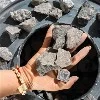
Calcium carbide is a chemical compound that is produced by the reaction of calcium oxide with carbon in a furnace. The resulting substance is a grayish-black, crystalline solid that is used in a variety of industries. In the production process, lime and coke are mixed together and heated to very high temperatures, resulting in the production of calcium carbide.
The primary use of calcium carbide is in the production of acetylene gas, which is used for welding, cutting, and as a fuel source. Additionally, calcium carbide is used in the production of calcium cyanamide, which is used as a fertilizer.
The production of calcium carbide has several advantages, particularly in Inner Mongolia, where much of the world's supply is produced. One advantage is the availability of raw materials, including limestone and coal, which are abundant in the region. Additionally, the use of locally produced calcium carbide reduces transportation costs and carbon emissions associated with shipping the product. The calcium carbide produced in Inner Mongolia is known for its high quality and purity, making it desirable for use in a range of industrial applications around the world.
Overall, the production process and uses of calcium carbide demonstrate its importance in a range of industries, particularly as a source of acetylene gas. The advantages of Inner Mongolia calcium carbide, including its high quality and local production, make it a valued resource for industry and manufacturing around the world.

Apr 14, 2023
Leave a message
The Production Process And Application Of Calcium Carbide in Inner Mongolia, China
Send Inquiry