



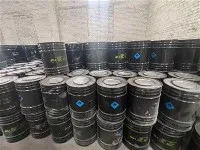
Chemical Raw Materials
Chemical raw materials are various organic or inorganic compounds. Their characteristic is that they have a well-defined and unchangeable composition. Chemical raw materials are an essential part of industrial production. They help to produce a variety of products, including pharmaceuticals, cosmetics, and pesticides.
Why Choose Us?
Reliable Product Quality
Can ensure product quality and supply capacity, can provide a variety of particle size of high quality calcium carbide for a long time.
Wide Product Range
We can offer all size from: 0-2mm, 2-4mm, 7-15mm,15-25mm, 25-50mm, 50-80mm, 70-100mm, 80-120mm. Usually the package is 50kg and 100kg new iron drum.
Wide Market
Our products have been exported to Taiwan, Vietnam, Cambodia, Bangladesh, Pakistan, South Korea, Egypt and other countries for a long time.
Excellent Customer Service
We will ensure that our products and service could be the best so that our customer can be very competitive in their market and consequently get generous profits.


Advantages of Chemical Raw Materials
Stringent Quality Control
Top chemical raw materials adhere to strict quality control standards, which is one of their many advantages. They meet safety regulations that’s why they are commonly used for cleaning and DIY projects.
Maintain Consistency and Concentration
These prime chemical raw materials are typically produced by reputable manufacturers who adhere to strict standards. This involves rigorous testing and monitoring at various stages of production, ensuring that the chemical compounds meet the required specifications. The chemical raw materials’ consistency in formulation ensures that each of the products has the same chemical composition and concentration.
Longer Shelf Life
Chemical raw materials from reputable suppliers typically have a longer shelf life compared to lower-quality ones. This is due to stringent manufacturing processes and quality control standards practiced by reputable chemical raw material manufacturers. For example, high-quality cleaners are formulated to remain stable and effective over time. This is in contrast with lower-quality cleaners that may contain less stable formulations.
Environmentally Friendly
The efficiency of high-quality chemicals plays a pivotal role in their eco-friendliness. Their heightened potency means that smaller quantities are required to achieve the desired results. This minimizes chemical usage and lessens the overall strain on ecosystems and resources. They achieve this by considering several factors, such as biodegradability, toxicity, and other critical environmental considerations. Sustainability is also a core concern. These chemical raw materials are manufactured with eco-conscious sourcing practices and greener manufacturing processes, further contributing to their eco-friendliness.
Types of Chemical Raw Materials


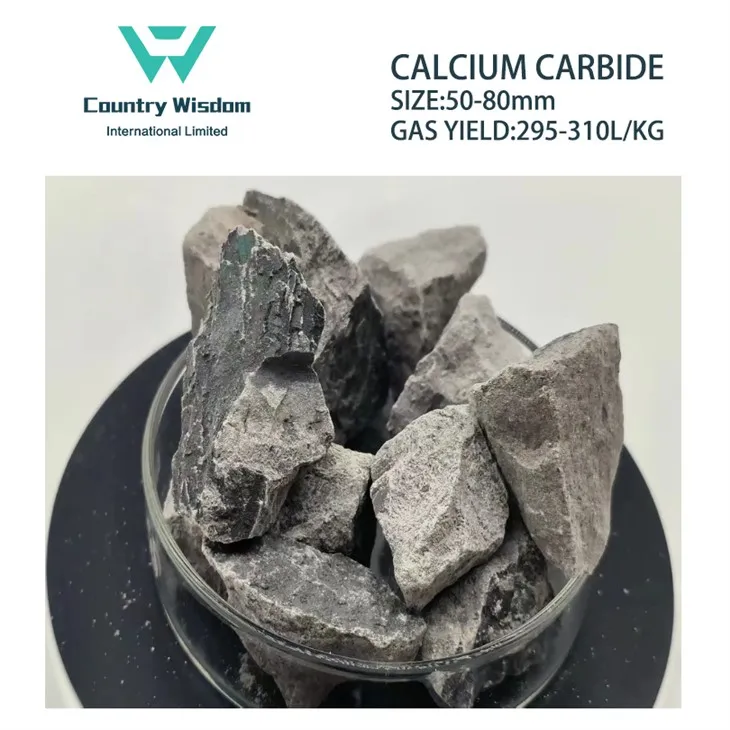

Hydrochloric Acid
Hydrochloric Acid is an inorganic chemical compound, an aqueous solution of gaseous hydrogen chloride. It occurs naturally – diluted, it is present in the gastric juices of humans and other mammals. It is also obtained synthetically: It is formed by the reaction of sulfuric acid and sodium chloride, the combustion of hydrogen into chlorine, or is a byproduct of the chlorination of various organic compounds. Hydrochloric Acid is a stable acid that retains its properties over a long period of time.
Calcium Chloride
Calcium Chloride is an inorganic chemical compound. It is obtained as a by-product in the production of sodium carbonate by the Solvay method. It is characterized by high hygroscopicity. It occurs in the form of irregular granules with dust. Calcium Chloride is colorless and dissolves very well in water. Calcium Chloride is mainly used in the food industry. It is used in the production of various cheeses and is added to achieve the desired calcium content and proper texture of the product.
Titanium Dioxide
Titanium Dioxide is an inorganic chemical compound. In nature, Titanium Dioxide occurs in many minerals. On an industrial scale, it is obtained by the sulfate or chloride method. It occurs as a water-insoluble white powder. Titanium Dioxide is characterized by its whitening and bleaching properties. In addition, it reflects visible light. Titanium Dioxide is used in cosmetics that are supposed to have a white color and also serves as a thickening agent.
Monocalcium Phosphate
Monocalcium Phosphate is obtained by the reaction of phosphoric acid and calcium carbonate. It is also obtained from naturally occurring minerals. Monocalcium Phosphate is a free-flowing powder or a small granule with a white or grayish color. Monocalcium Phosphate is often added to livestock feed and pet food. It is needed for building teeth and bones so they grow and stay in good condition. Monocalcium Phosphate is also used in the manufacture of fertilizers.
Magnesium Oxide
Magnesium Oxide is an inorganic chemical compound. It occurs naturally as the mineral periclase, but is also obtained by burning magnesium or roasting magnesite or dolomite. Magnesium Oxide is a white crystalline substance. Its characteristic feature is its good light refraction. It is also corrosion resistant and has high thermal conductivity. In medicine, Magnesium Oxide is used to prevent hyperacidity and to treat food poisoning. It is also an ingredient in dietary supplements for people with magnesium deficiency.
Sodium Hypochlorite
Sodium Hypochlorite is an inorganic compound, the sodium salt of hypochlorous acid. On an industrial scale, Sodium Hypochlorite is obtained by electrolysis of brine. It has a characteristic chlorine odor and a straw-yellow color. Sodium Hypochlorite is a corrosive substance and also has oxidizing, antiseptic and bactericidal properties. Sodium hypochlorite is mainly a component of bleaching agents, but its bleaching effect is also used in the paper and textile industries. Due to its properties, it is also widely used for disinfection and water treatment.
Copper Sulfate Pentahydrate
Copper Sulfate Pentahydrate is an organic compound, a salt of sulfuric acid and copper. In nature, it occurs in the form of the mineral chalcanthite. Synthetically, it is obtained by treating copper metal with hot concentrated sulfuric acid or copper oxides with dilute sulfuric acid. Anhydrous Sulfate is white in color, but when hydrated it has a characteristic blue coloration. It is characterized by strong hygroscopicity.
The importance of using quality chemical raw materials cannot be overstated. Chemical raw materials are the foundation of many industries, including pharmaceuticals, cosmetics, food, and beverages. The quality of the raw material used can have a significant impact on the final product's safety, efficacy, and overall quality.
Using high-quality chemical raw materials ensures that the final product meets the required standards and is safe for use. For instance, in the pharmaceutical industry, using impure or low-quality raw materials can lead to the production of substandard drugs that may pose health risks to patients.
In the cosmetics industry, using low-quality raw materials can lead to the production of products that cause skin irritation or other adverse reactions. Similarly, in the food industry, using contaminated or low-quality raw materials can lead to the production of food products that may cause illness or foodborne diseases.
Using high-quality raw materials can also help to protect a company's reputation. Companies that consistently produce high-quality products using quality raw materials are more likely to build a loyal customer base and positive brand image. Additionally, using quality raw materials can lead to cost savings in the long run by reducing the need for product recalls and legal liabilities.
Key Factors to Consider When Looking for Quality Chemical Raw Materials
Purity
The purity of the raw material is crucial to ensure the safety and efficacy of the final product. It is important to ensure that the raw material is free from impurities and meets the required purity standards.
Source
Knowing the source of the raw material is important to ensure that it is obtained from a reliable and reputable supplier. Factors to consider when evaluating the source include the supplier's reputation, their manufacturing practices, and any certifications or accreditations they hold.
Supplier Reputation
The reputation of the supplier is important as it reflects the quality of the raw materials they supply. It is essential to work with reputable suppliers who have a track record of providing high-quality raw materials.
Analytical Testing
Analytical testing is critical to ensure the quality and purity of the raw material. It is important to ensure that the supplier conducts regular analytical testing to validate the purity of the raw material.
Quality Concern
The supplier's quality control system is important to ensure that the raw material meets the required standards. A robust quality control system should include checks and balances at every stage of the manufacturing process.
Regulatory Adherence
The raw material supplier should comply with relevant regulations to ensure that the raw material is safe and meets the required standards. It is important to ensure that the supplier adheres to relevant regulations such as Good Manufacturing Practices (GMP) and Hazard Analysis and Critical Control Points (HACCP).
Key Factors That Can Affect the Purity of Chemical Raw Materials
Manufacturing processes
The manufacturing processes used to produce the raw material can impact its purity. If the manufacturing processes are not well-controlled or monitored, they can introduce impurities into the raw material.
Raw material source
The source of the raw material can impact its purity. If the raw material is obtained from a contaminated source, it may contain impurities that can affect the quality and safety of the final product.
Storage conditions
The storage conditions of the raw material can impact its purity. If the raw material is not stored properly, it may be exposed to contaminants that can impact its purity.
Handling practices
The handling practices used during the transportation and storage of the raw material can impact its purity. If the raw material is mishandled, it may be exposed to contaminants that can affect its purity.
Cross-contamination
Cross-contamination can occur if the raw material comes into contact with other materials or equipment that may introduce impurities. This can happen during transportation, storage, or manufacturing processes.
Analytical testing
Analytical testing is critical to ensuring the purity of the raw material. If the analytical testing is not conducted properly, it may not detect impurities that can affect the quality and safety of the final product.
Key Components of a Quality Control System for Chemical Raw Materials
Raw material testing
A quality control system should include testing of the chemical raw materials to ensure that they meet necessary quality and safety standards. This can include testing for impurities, chemical composition, and physical properties.
Documentation and traceability
The quality control system should include documentation and traceability measures to ensure that the origin and quality of the chemical raw materials can be traced. This is essential for compliance with regulations and standards.
Supplier qualification and monitoring
A quality control system should include supplier qualification and monitoring to ensure that suppliers have adequate quality control measures in place. This can include on-site inspections, audits, and review of quality documentation.
Corrective action procedures
A quality control system should include procedures for corrective action in case of issues with the chemical raw materials. This can include procedures for quarantining and disposing of non-conforming materials, investigating the root cause of the issue, and implementing corrective actions to prevent similar issues in the future.
Standard operating procedures (SOPs)
The quality control system should include SOPs for all aspects of handling and processing chemical raw materials. This can include procedures for receiving, storing, labeling, and handling of the materials to ensure that they are used safely and effectively.
Training and education
A quality control system should include training and education for employees involved in handling and processing chemical raw materials. This can include training on safety procedures, use of personal protective equipment (PPE), and proper handling and disposal of the materials.
The Importance of Chemical Raw Materials in Industrial Production
Chemical raw materials play a crucial role in industrial production. They are the building blocks that enable the creation of a wide range of products that we use in our daily lives. From plastics to pharmaceuticals, chemicals are essential in various industries, making them a vital component of our modern society.
One of the primary reasons why chemical raw materials are so important in industrial production is their versatility. These materials can be transformed into countless different products, each serving a unique purpose. For example, petroleum, a chemical raw material, can be used to produce gasoline, diesel, and jet fuel, as well as plastics, synthetic fibers, and lubricants. This versatility allows industries to meet the diverse needs of consumers and drive economic growth.
Chemical raw materials also contribute to the development of new technologies. In the electronics industry, for instance, chemicals are used to manufacture semiconductors, which are the foundation of modern electronic devices. Without these raw materials, the production of smartphones, computers, and other gadgets would not be possible. Furthermore, chemicals are essential in the production of renewable energy technologies, such as solar panels and wind turbines, which are crucial for addressing climate change and reducing our reliance on fossil fuels.
Another significant aspect of chemical raw materials is their impact on the healthcare industry. Pharmaceuticals, which are derived from various chemical compounds, are essential for treating diseases and improving the quality of life for millions of people worldwide. Chemical raw materials are used to develop and manufacture drugs that combat illnesses ranging from common infections to life-threatening conditions like cancer. Without these materials, medical advancements and breakthroughs would be severely hindered, impacting the well-being of individuals and society as a whole.
Chemical raw materials also play a vital role in agriculture. Fertilizers, pesticides, and herbicides, which are derived from chemicals, are essential for increasing crop yields and protecting plants from pests and diseases. These materials enable farmers to produce more food, ensuring food security and meeting the growing demand for agricultural products. Additionally, chemicals are used in the production of animal feed, contributing to the development of the livestock industry.
However, it is important to note that the use of chemical raw materials also raises environmental concerns. Some chemicals can be hazardous to human health and the environment if not handled properly. Therefore, it is crucial for industries to prioritize safety measures and adhere to strict regulations to minimize the negative impact of chemical production and usage.
Sustainable Sourcing and Management of Chemical Raw Materials in Industrial Production
Chemical raw materials play a crucial role in industrial production. They are the building blocks that enable the creation of a wide range of products, from plastics and pharmaceuticals to fertilizers and cleaning agents. However, the sourcing and management of these raw materials have become increasingly important in recent years, as the need for sustainable practices has gained prominence.
Sustainable sourcing of chemical raw materials is essential to ensure the long-term availability of these resources. Many of these materials are derived from non-renewable sources, such as fossil fuels, which are finite and contribute to environmental degradation. As a result, industries are now exploring alternative sources, such as biomass and waste materials, to reduce their reliance on non-renewable resources.
One example of sustainable sourcing is the use of biomass as a feedstock for chemical production. Biomass, such as agricultural residues and dedicated energy crops, can be converted into bio-based chemicals through various processes, including fermentation and pyrolysis. This not only reduces the dependence on fossil fuels but also helps to mitigate greenhouse gas emissions, as biomass is considered carbon-neutral.
Another approach to sustainable sourcing is the utilization of waste materials. Many industries generate waste streams that contain valuable chemical components. By implementing innovative technologies, these waste materials can be transformed into useful raw materials. For instance, organic waste can be converted into biogas, which can then be used as a feedstock for chemical synthesis. This not only reduces waste disposal but also creates a circular economy, where resources are reused and recycled.
Our Factory
Country wisdom international limited, is a special calcium carbide factory which located in inner mongolia of China. The factory has only the right to produce in China, but no right to export.So we export with the company of COUNTRY WISDOM INTERNATIONAL LIMITED.The two companies are the same manager.

Ultimate FAQ Guide to Chemical Raw Materials
Q: What are the raw materials of chemicals?
Q: What is the importance of raw materials in the chemical industry?
Q: What are the basics of raw materials?
Examples of raw materials include steel, oil, corn, grain, gasoline, lumber, forest resources, plastic, natural gas, coal, and minerals.
Q: What is calcium carbide stone?
Q: What are the benefits of calcium carbide?
Q: What happens when calcium carbide is mixed with water?
Q: How long does calcium carbide last?
Q: What is another name for calcium carbide?
Q: What does calcium carbide do to fruits?
Q: How do you neutralize calcium carbide?
Q: What is the use of carbide stone?
Q: What is the color of calcium carbide?
Q: How do you test for calcium carbide?
Q: What is the shelf life of calcium carbide?
Q: How to remove calcium carbide from fruits naturally?
Eat local fruit when you can.
Eat fruit that's in season.
Notice how the fruit looks and tastes.
Check online if you're eating imported fruit.
Q: What can I do with calcium carbide?
Q: Is calcium carbide good for plants?
Q: Can we make calcium carbide at home?